Deificari in otio
October 28, 2025
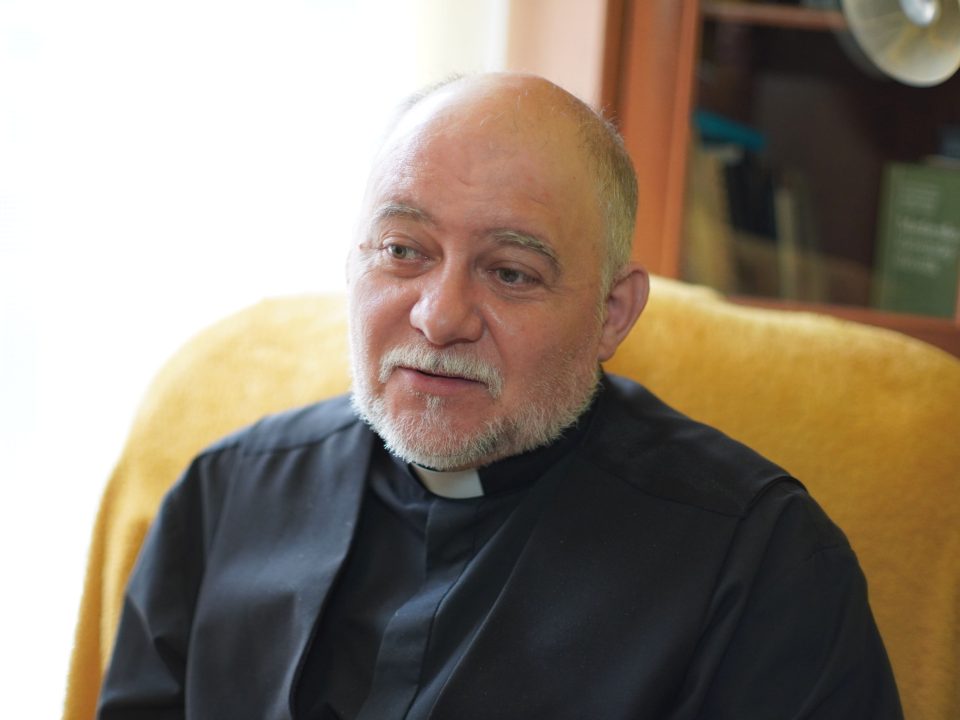
A conversation with Father Keresztély, a Wilhelmite Old Catholic monk by Attila Mohos
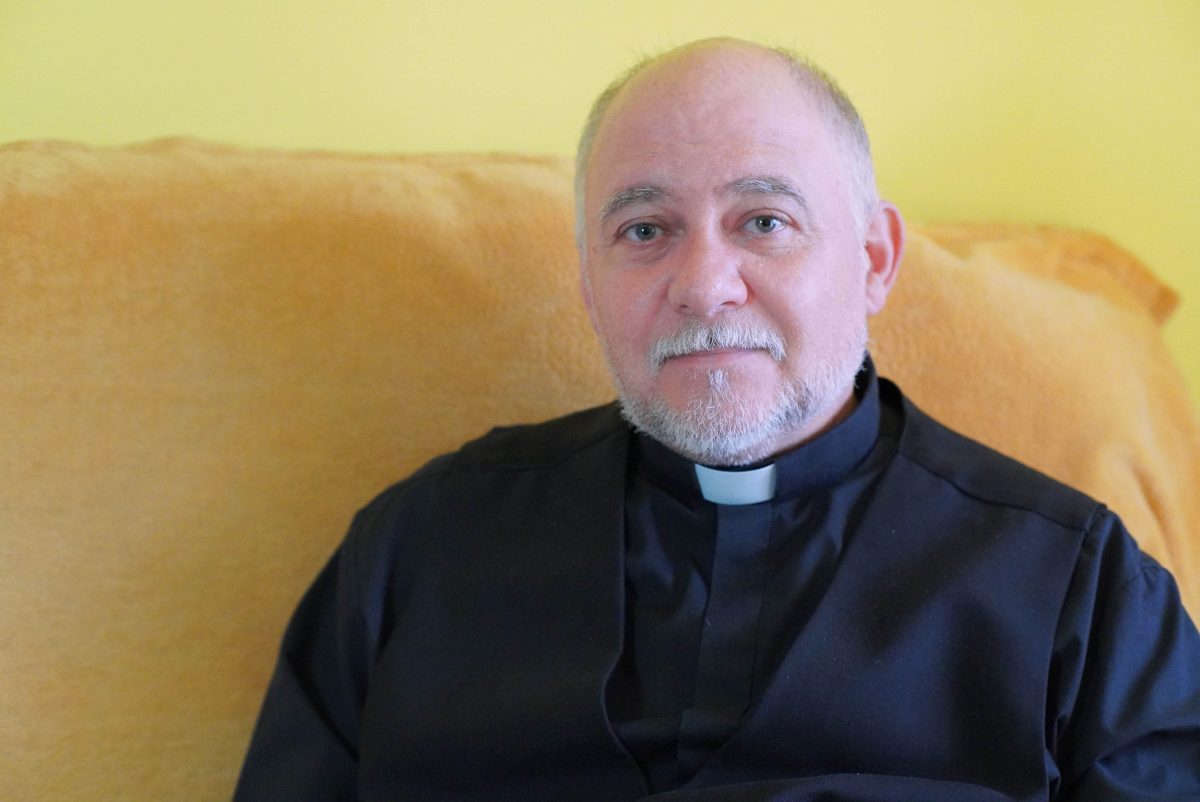
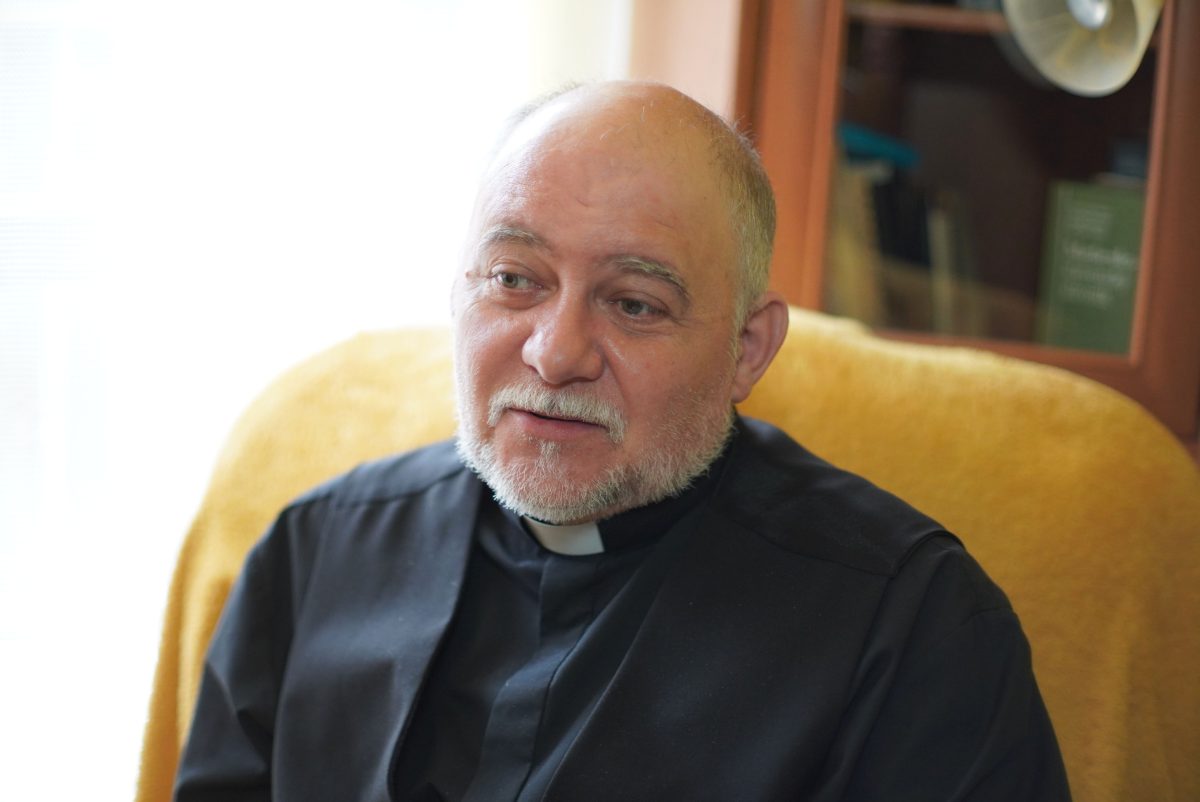
In the chapel of the former Franciscan monastery in Rožňava, the scent of candles still seems to linger in the air. On the first day of the new year, the silence of the Gospel can be heard with particular clarity. In Father Keresztély’s hands are the Scriptures and a volume of Saint Augustine: the meeting of tradition and the living present.
M. A.: Father Keresztély, what does the new year mean spiritually for a monk?
Fr. Keresztély: The new year is always a time that calls us to conversion. It is not primarily about new resolutions, but about a new heart. Scripture puts it this way:
“Oh, that today you would hear his voice: ‘Harden not your hearts as at the rebellion.’” (Heb 3:15)
Saint Augustine sees this with great precision when he writes at the beginning of the Confessions:
“You have made us for yourself, O Lord, and our heart is restless until it rests in you.” (Confessions I.1)
The new year does not want to silence that restlessness, but to turn it toward God.
M. A.: The central verse of our conversation this year is Galatians 5:6. Why is it so decisive in Old Catholic thought?
Fr. Keresztély: Because here Saint Paul touches the heart of the Gospel:
“For in Christ Jesus, neither circumcision nor uncircumcision counts for anything, but only faith working through love.” (Gal 5:6)
This is ecclesial critique and ecclesial love at once. Old Catholic spirituality does not deny forms, sacraments, or liturgy—but it reminds us: all of this is true only if it springs from love.
Augustine expresses it famously:
“Love, and do what you will.” (Tractates on the First Letter of John 7.8)
This is not moral laxity, but radical evangelical consistency: whoever truly loves cannot will evil.
M. A.: How does the Gospel become living reality in everyday life?
Fr. Keresztély: The Gospel always wants to take flesh.
“And the Word became flesh and made his dwelling among us…” (Jn 1:14)
This is not a one-time event, but an ongoing summons for the Church. Jesus’ parables—the Good Samaritan (Lk 10:33–37), the vision of the Last Judgment (Mt 25:31–46)—all ask the same question: where has your faith become mercy?
And here the point is so sharply stated in Scripture:
“If anyone says, ‘I love God,’ but hates his brother, he is a liar; for whoever does not love a brother whom he has seen cannot love God whom he has not seen.” (1 Jn 4:20)
The Gospel is not theory, but a way of life.
M. A.: What does it mean today, in the 21st century, to be a monk?
Father Keresztély: It is a paradoxical but fruitful vocation. The world is noisy, fast, and fragmented. Monasticism is not a technical answer to that, but a prophetic sign. Silence, prayer, and community are countercultural today. The prophet’s words remain timely:
“You have been told, O mortal, what is good, and what the LORD requires of you: Only to do justice and to love goodness, and to walk humbly with your God.” (Mi 6:8)
And Augustine is relentless about what truly holds the Christian life together:
“Charity is the fulfilling of the Law.” (Sermon 75)
The 21st-century monk is not a perfect human being, but a faithfully seeking one.
M. A.: What do you see as the distinctive treasure of Old Catholic spirituality?
Father Keresztély: Balance: between catholic fullness and the freedom of conscience. In the spirit of the ancient Church we believe:
“…for the letter brings death, but the Spirit gives life.” (2 Cor 3:6)
Augustine’s classic formulation expresses the inner unity of Scripture beautifully:
“As an old saying put it, the New Testament lies hidden in the Old and the Old Testament is unveiled in the New.” (Quaestiones in Heptateuchum 2.73)
Old Catholic spirituality is not afraid of questions, because it believes that truth is ultimately a person: Christ.
M. A.: What do you wish for the new year?
Fr. Keresztély: What Saint Paul wishes:
“And over all these put on love, that is, the bond of perfection.” (Col 3:14)
And with Augustine I confess:
“God created us without us: but he did not will to save us without us.”
May the new year be cooperation with God—in faith, in hope, and above all in love. Time moves on, but the Word remains. The new year has begun—the work of love continues.